

The Human Side of Automation
The most important question about automation is not what machines can do. It is what we choose to do alongside them.
Marie Gill 1 min read
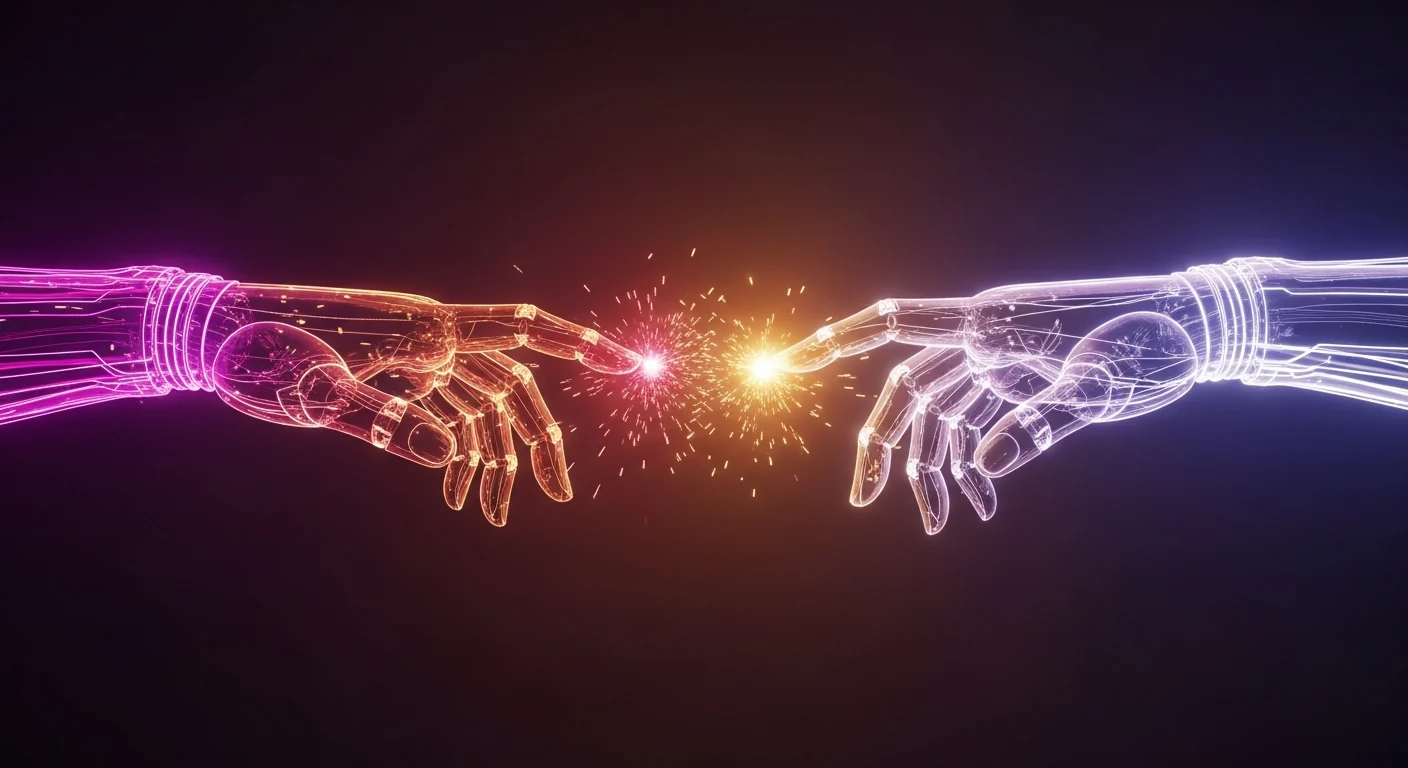
Augmentation over replacement
When automation works well, it removes the repetitive parts of a job and frees people to focus on the parts that need judgment, empathy, and creativity. The result is not a smaller role but a more meaningful one.
The teams that benefit most are the ones that design tools to support people, rather than designing people to support tools.
Trust is the real bottleneck
Adoption rarely stalls because a tool is not capable enough. It stalls because people do not yet trust it. Building that trust requires transparency about how a system reaches its conclusions and clear limits on where it should not be used.
When people understand a tool, they use it with confidence and catch its mistakes before they matter.
Keeping humans in the loop
The healthiest workflows keep a person responsible for the decisions that affect other people. Automation can inform those decisions, but accountability should stay human.
Designed this way, automation becomes a partner that extends our reach rather than a force that quietly replaces our judgment.